

Your first cruise preparation checklist comes down to four things you must handle before you step onto the gangway: travel documents, smart packing, a pre-departure countdown, and a clear embarkation plan. Get those four right, and boarding day feels effortless. Skip one, and even a stunning itinerary can start with unnecessary stress.
Many first-time luxury cruisers find there is far more involved beyond selecting a ship and counting down the days. Document requirements vary by itinerary, prohibited items get confiscated at the terminal scanner, and check-in deadlines arrive faster than expected. At Azura Voyages, we walk every client through each of these steps personally, so they arrive at the port knowing exactly what to expect and nothing has been left to chance.
Key takeaways
- Passport book first: Always travel with a passport book valid for at least six months beyond your voyage, even on cruises where other IDs are technically accepted.
- Carry-on is critical: Medications, boarding passes, and all travel documents belong in your carry-on, never in checked luggage handed to porters.
- Start check-in seven days out: Online check-in, dining reservations, shore excursions, and document uploads should be complete a week before sailing.
- Surge protectors are banned: Bring a certified multi-port USB-C charger instead; surge-protected power strips are widely prohibited across most cruise lines.
- Know your tipping norms: On ultra-luxury lines like Regent, Seabourn, and Silversea, gratuities are generally included; on standard premium lines, expect an automatic daily service charge.
First cruise preparation checklist: what travel documents do you need before you board?
A valid passport book is the right answer for almost every sailing. The U.S. State Department recommends validity for at least six months beyond your trip and at least two blank pages. While a certified birth certificate plus a government-issued photo ID is technically accepted on some closed-loop sailings (cruises that depart and return to the same U.S. port), a passport book is always the smarter choice. If a medical emergency requires you to fly home mid-voyage, only a passport book works for international air travel; a passport card does not.
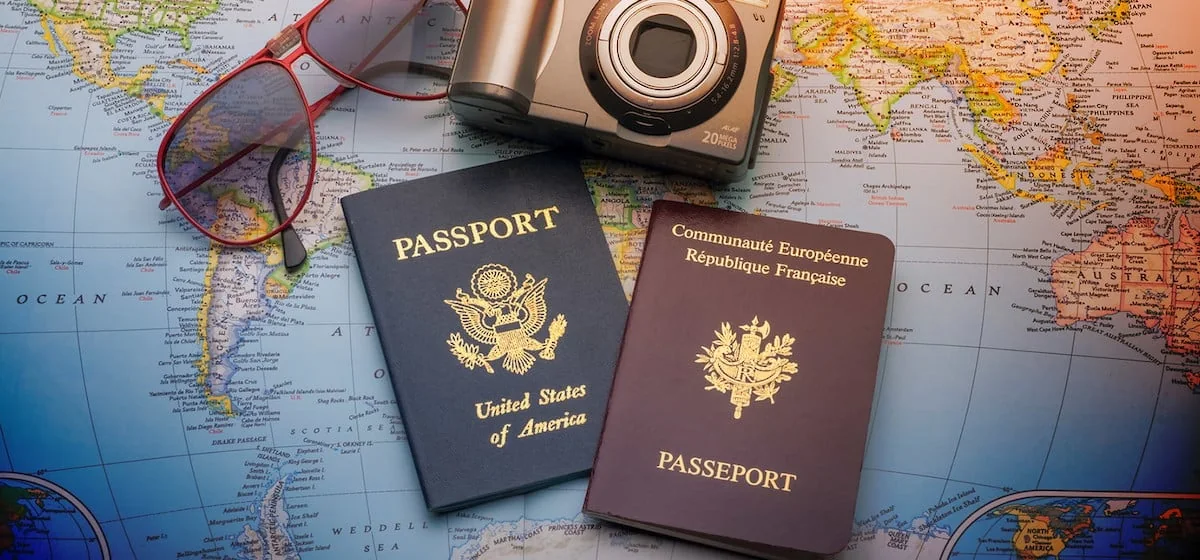
Passport requirements
Renew early if your passport expires within six months of your return date. Processing times vary, and expedited service is not guaranteed during peak travel seasons. Treat your passport renewal as part of the pre-departure cruise checklist, not an afterthought.
Visas and entry rules
Visas are a separate concern that catches many first-timers off guard. A U.S. passport does not automatically eliminate visa requirements, and some countries require authorization even for cruise passengers who remain on the ship in port. The U.S. State Department advises travelers to check both destination entry requirements and their cruise line's own documentation policies, which may be stricter. Check the entry rules for every foreign port on your itinerary, then verify those requirements against your specific cruise line's policies.
Keep both paper and digital copies of every document in your carry-on: passport, cruise boarding pass, e-documents, visa approvals, and any health or vaccination declarations. This cruise documents checklist habit alone can save hours if anything goes missing at the terminal. Download the cruise line's app before you leave home and save all documents offline so you are not dependent on a signal at the terminal.
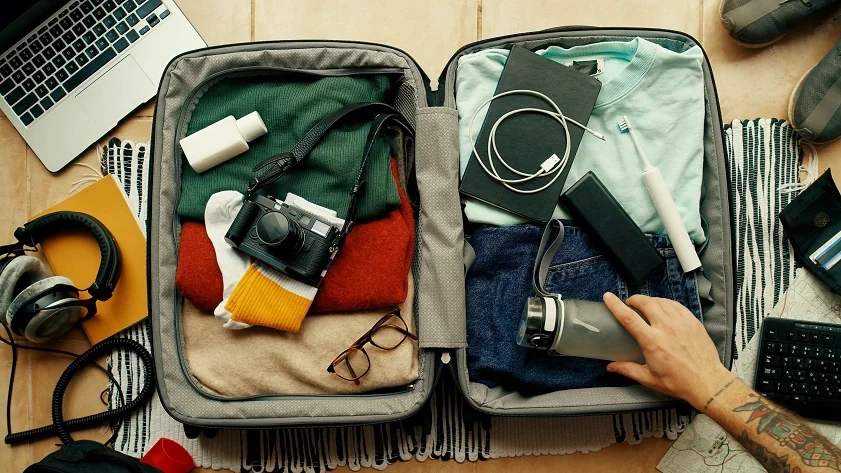
First cruise preparation checklist: cruise packing list and carry-on essentials
Your carry-on on embarkation day does the heavy lifting. Pack your passport or ID, boarding pass, all prescription medications in their original labeled containers with enough supply for the entire voyage plus buffer days, a phone charger, swimwear, and a change of clothes. Your cabin may not be ready until early afternoon, so having swimwear accessible lets you head straight to the pool deck while you wait. Medications should never go into the checked bags you hand to porters.
For charging devices, the safest setup on any cruise line is a certified multi-port USB-C charger with no surge protection, no extra AC outlets, and no extension cord functionality. Surge-protected power strips are widely prohibited or advised against across most cruise lines because shipboard electrical systems have different grounding and fire-safety requirements. Royal Caribbean prohibits all power strips and extension cords outright. A compact 4-port USB-C/USB-A GaN charger handles phones, tablets, and laptops from a single cabin outlet and is widely accepted with low risk of confiscation on most lines, though policies can vary.
Other items that commonly disappear at the terminal scanner: travel irons and steamers, drones (policies on onboard operation vary by line and port authority, and many lines prohibit them outright), and alcohol beyond the cruise line's one-bottle exception. This is the part of your what-to-pack-for-a-cruise research that pays off most at security. Know before you pack, and you won't lose anything at the scanner.
Still choosing your ship?
The Cruise Matching Quiz takes about two minutes and gives you your top 3 voyage matches, based on your travel style, must-haves, and budget.
What does a pre-departure timeline actually look like?
Seven days out is when most of the planning work happens, and it's also when gaps become visible. Complete online check-in with the cruise line by uploading passport photos, adding emergency contacts and payment information, and selecting your arrival window. Confirm specialty dining, shore excursions, and spa appointments now, because popular options fill quickly. Verify your flights, pre-cruise hotel, and ground transfers. Locking these details in a full week ahead gives you time to fix anything that falls through, and something almost always does for first-timers.
The 48-hour mark is for finishing, not starting. Pack your checked bags and attach luggage tags, keeping documents and medications in your carry-on. Download the cruise line's app and save all e-documents offline so you have everything accessible without a signal. Run a final prohibited-items audit with particular attention to power devices and your medication supply; this is your last realistic chance to swap something out before you're at the terminal.
On the morning of departure, the goal is calm and deliberate. Eat breakfast, do one last document check, and leave for the terminal with buffer time built in. Follow your assigned arrival window precisely: cruise lines may restrict early arrivals, and arriving late can mean missing the ship entirely. This embarkation checklist habit of allowing buffer time is one of the simplest ways first-time cruisers protect themselves from a stressful start.
What happens on embarkation day, and what should you expect onboard?
At the terminal, porters handle your checked bags with luggage tags attached; you retain your carry-on through the entire check-in process. After terminal security and document verification, your cruise card or boarding pass gets scanned and you board through the gangway. On ultra-luxury lines like Silversea, Regent Seven Seas, and Seabourn, check-in often takes place in a lounge setting with refreshments and seated assistance, and crew may escort you directly to your suite. The process moves faster and more quietly than on large mainstream ships, where boarding groups and larger crowds can extend the wait.
Once aboard, the safety muster drill is mandatory on every cruise ship without exception. Complete it before the ship departs. On the etiquette side, ultra-luxury lines expect polished resort wear by day and elegant-casual attire in indoor venues after 6 p.m. On Silversea, jeans, shorts, and baseball caps are not permitted in indoor spaces after 6 p.m. Seabourn's main Restaurant requires a jacket or tuxedo for men in the evenings.
On tipping: Regent Seven Seas, Seabourn, and Silversea include crew gratuities in the fare, so routine onboard tipping is not expected. On standard premium lines, an automatic daily service charge is typically added to your onboard account. The exact amount varies by line, so check your specific cruise line's current fee schedule when you book. (Here's what luxury fares really include.)
How Azura Voyages walks you through every step before you sail
Shamain at Azura Voyages personally reviews each client's document checklist, confirms check-in deadlines, helps organize the pre-cruise hotel and airport transfer logistics, and stays reachable by text, Zoom, or in-person meeting in the Dallas–Fort Worth area. First-time luxury cruisers shouldn't have to cross-reference a dozen sources or second-guess a visa requirement for a port they're visiting for just an afternoon.
If you haven't chosen a ship yet, Azura Voyages' 2-minute Cruise Matching Quiz is the right starting point. It gives you your top 3 voyage matches across ocean and river cruising before the preparation process even begins. (Our guide to how to pick a cruise ship covers the rest.) From that first recommendation to the morning you step onto the gangway, we handle the details so you don't have to.
Book a pre-departure consultation and we'll go through your pre-departure cruise checklist together: documents, packing, timeline, and embarkation day. We'll make sure nothing is left unresolved before you leave DFW.
Board your first cruise ready, not rushed
A complete first cruise preparation checklist covers four things: your travel documents, a smart packing list, a countdown timeline that starts seven days out, and a clear picture of embarkation day. None of these are complicated on their own. The challenge is knowing what matters and when, especially for a first-time luxury sailing where the expectations are higher and the details are finer.
That's exactly the kind of guidance we provide at Azura Voyages. Connect with Shamain, take the Cruise Matching Quiz if you're still exploring options, and let us build your pre-departure checklist from scratch. You'll board with confidence, not questions.
Frequently asked questions
Can I use a passport card for my cruise instead of a passport book?
No, a passport card is not sufficient for international air travel, so you should travel with a passport book valid for at least six months beyond your voyage. A passport book is the smarter choice even where other IDs are technically accepted, because only a passport book works if a medical emergency requires you to fly home mid-voyage.
What specific items belong in my carry-on on embarkation day?
Pack your passport or ID, boarding pass, all prescription medications in their original labeled containers with enough supply for the entire voyage plus buffer days, a phone charger, swimwear, and a change of clothes in your carry-on. Medications should never go into checked bags you hand to porters, and having swimwear handy lets you head straight to the pool if your cabin isn't ready.
Are surge-protected power strips allowed on cruise ships?
Surge-protected power strips are widely prohibited or advised against across most cruise lines, so do not bring them. Bring a certified multi-port USB-C charger with no surge protection and no extension functionality instead, since Royal Caribbean and many other lines restrict power strips and extension cords.
What should I complete seven days and 48 hours before my cruise?
Seven days out, complete online check-in, upload passport photos and documents, add emergency contacts and payment information, and reserve specialty dining, shore excursions, and spa appointments. Use the 48-hour mark to finish packing, attach luggage tags to checked bags, download the cruise line's app and save e-documents offline, and run a final prohibited-items audit so you can resolve any issues before you reach the terminal.
Choosing the right ship and itinerary can feel overwhelming and time-consuming. We make it easy with our free quiz, which gives you your top 3 cruise matches with remarkable accuracy. Try it now. It’s free.
Rather talk it through?
Book a no-obligation consultation with Shamain. One conversation, and you'll know exactly which ship, suite and sailing fit you.