If you're wondering how to pick a cruise ship, start by pinning down five things before you browse a single fare: ship size, onboard atmosphere, itinerary style, cabin category, and what the fare actually covers. Get those five right and your shortlist practically writes itself.
Many first-timers open a search engine, filter by destination or price, and end up comparing ships that look similar on paper but feel completely different at sea. The experience you want, whether that's a quiet veranda in the Norwegian fjords or a waterpark in the Caribbean, only becomes findable once you define it. This guide walks you through those five decisions in sequence, the same way a boutique cruise advisor covers them in a first consultation. If you want a personalized shortcut, the Azura Voyages Cruise Matching Quiz takes about two minutes and gives you your top 3 voyage matches, ocean and river, based on exactly this kind of input.
Key takeaways
- Ship size drives everything: Capacity shapes crowd levels, port access, service personalization, and onboard variety before any other factor.
- Atmosphere is non-negotiable: Family-friendly energy and adults-only calm are fundamentally different products; decide which you want before comparing prices.
- Itinerary determines cabin value: A balcony on an Alaska sailing is a practical asset; on a port-heavy Caribbean hop, it may go largely unused.
- Fare inclusions vary dramatically: A mainstream base fare and a premium bundled fare can look close in price but diverge by $400 to $1,000 per person once extras are added, according to CruiseShipTracking.com.
- Your goal is a shortlist: Two to four concrete options, not a single answer, is the right outcome of this process.
How to pick a cruise ship: does size change your entire experience?
Yes, and it's the most foundational decision you'll make. Ship size determines crowd levels, service ratios, port access, and onboard amenity range before you've compared a single itinerary or price point. Everything else you decide builds on this one.
The industry uses five broad size categories. Small ships carry under 1,000 passengers and offer quieter, more personalized service with fewer restaurants and entertainment venues. Mid-size ships, roughly 1,000 to 2,500 passengers, balance amenity variety with manageable crowd levels. Large ships carrying 2,500 to 4,000 passengers deliver resort-style cruising: multiple dining venues, full entertainment schedules, pools, spas, and kids' clubs. Mega-ships above 4,000 passengers operate as floating cities with waterparks, zip lines, and shopping districts. Expedition ships are a separate category entirely; they carry between 50 and 500 passengers and are purpose-built for destination access, equipped with Zodiacs and kayaks rather than entertainment venues.
The core trade-off is straightforward. Larger ships give you more of everything onboard: dining choices, pool options, entertainment variety, and children's programming. Smaller ships give you fewer crowds, more attentive service, and access to ports that mega-ships physically can't reach. A small ship can dock directly in a medieval harbor or anchor close to a glacier; a mega-ship often requires a deep-water commercial terminal miles from the places you actually came to see.
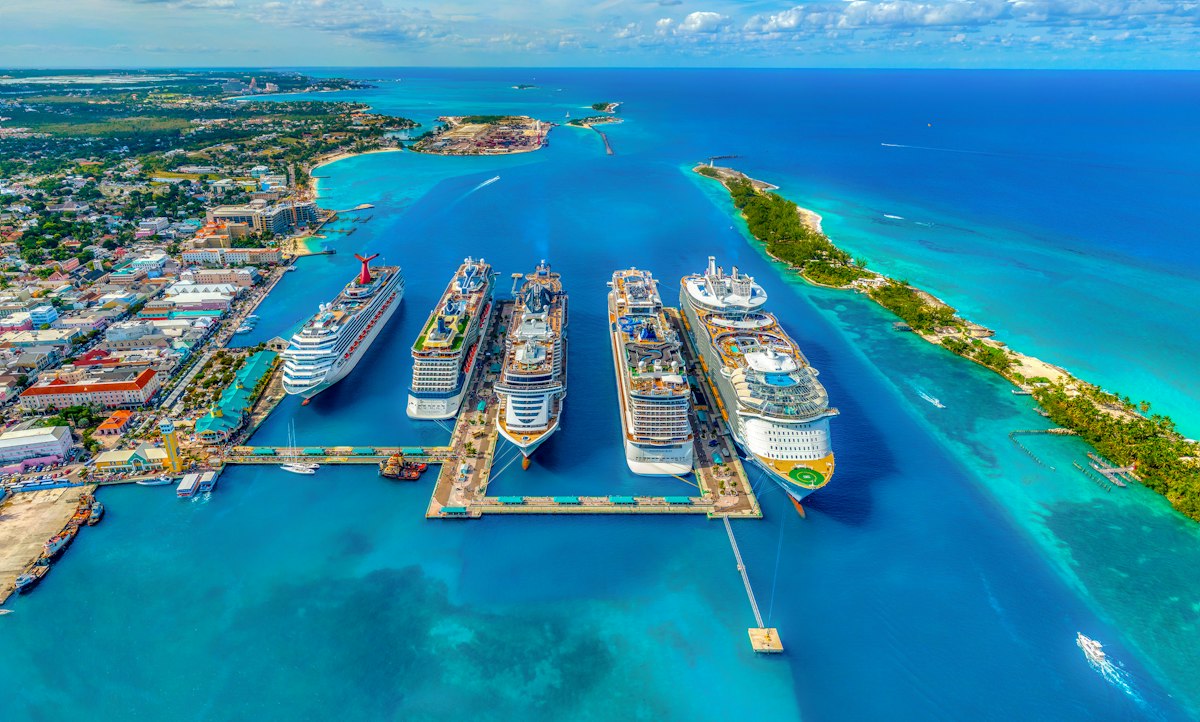
The honest question to ask yourself is whether you're cruising for the ship or for the destinations. The answer shapes every other decision in this guide. Settling that question first will make every subsequent filter faster and cleaner to apply.
How do you match a cruise ship to your actual travel style?
Ship size narrows your options. Your travel style picks the winner. Cruise lines segment into three broad tiers, and each promises a fundamentally different onboard culture.
Mainstream lines including Royal Caribbean, Carnival, and Norwegian are built around activity variety, casual energy, and wide price accessibility. Royal Caribbean's larger ships are consistently recommended for first-timers who want maximum onboard choice. Norwegian's studio cabins and dedicated solo lounges reduce or eliminate single supplements on ships that offer those cabin types, though travelers should verify availability and pricing for each specific sailing. Carnival suits budget-conscious travelers who prefer an easygoing social atmosphere without the formality of a premium line.
Premium lines such as Celebrity, Holland America, and Princess charge a higher daily rate but deliver quieter atmospheres, more refined dining, and less of the organized-chaos energy that comes with mega-ships. Celebrity suits couples seeking a design-conscious, adult-oriented experience without the full commitment of ultra-luxury pricing. Holland America appeals to travelers who want a culturally enriched, unhurried pace. (For a closer look at where premium ends and luxury begins, see luxury vs. premium cruises.)
Ultra-luxury lines, including Silversea, Regent Seven Seas, Seabourn, and Ritz-Carlton Yachts, operate on smaller ships with crew-to-guest ratios that approach 1:1, as published by the lines themselves. That service level is structurally impossible on a large-ship operation. Fares are higher upfront, but inclusions like alcohol, dining, excursions, and gratuities are frequently bundled in, which narrows the real-cost gap considerably when you run the math. (We compare them head to head in luxury cruise lines compared.)
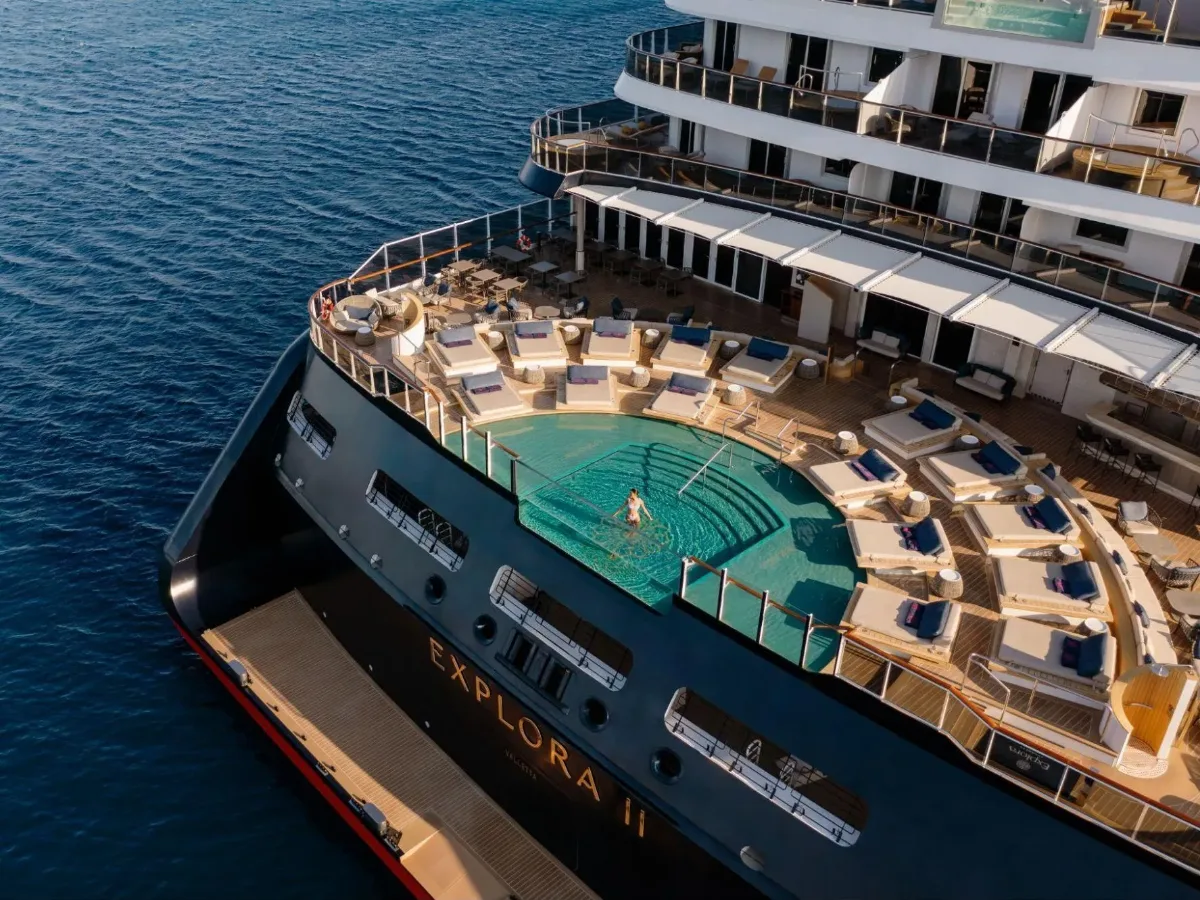
The family-versus-adults question deserves a clear answer before you reach the shortlist stage. Disney Cruise Line and Royal Caribbean are benchmark choices for families with children; Disney excels with younger kids through character experiences and professionally staffed clubs, while Royal Caribbean's larger ships add waterparks and teen programming for older children and multigenerational groups. Viking's formally adults-only policy and Seabourn's boutique format both deliver quieter pools, refined evening entertainment, and no minimum-age disruptions for travelers who want the opposite.
Want a shortcut to your shortlist?
The Cruise Matching Quiz takes about two minutes and gives you your top 3 voyage matches, based on your travel style, must-haves, and budget.
Does your itinerary decide which ship you should be on?
Most first-timers choose a destination and then find a ship. That's actually the right order, with one important nuance: the itinerary type, not just the destination, determines which ship features you'll actually use.
On port-intensive itineraries, Caribbean island-hopping or Mediterranean city stops, the ship functions primarily as a hotel between destinations. You'll spend most daylight hours ashore, which means onboard amenities matter less and the base fare structure becomes more relevant than suite upgrades. A balcony cabin on a seven-night Caribbean itinerary with five port days may sit unused for most of the sailing.
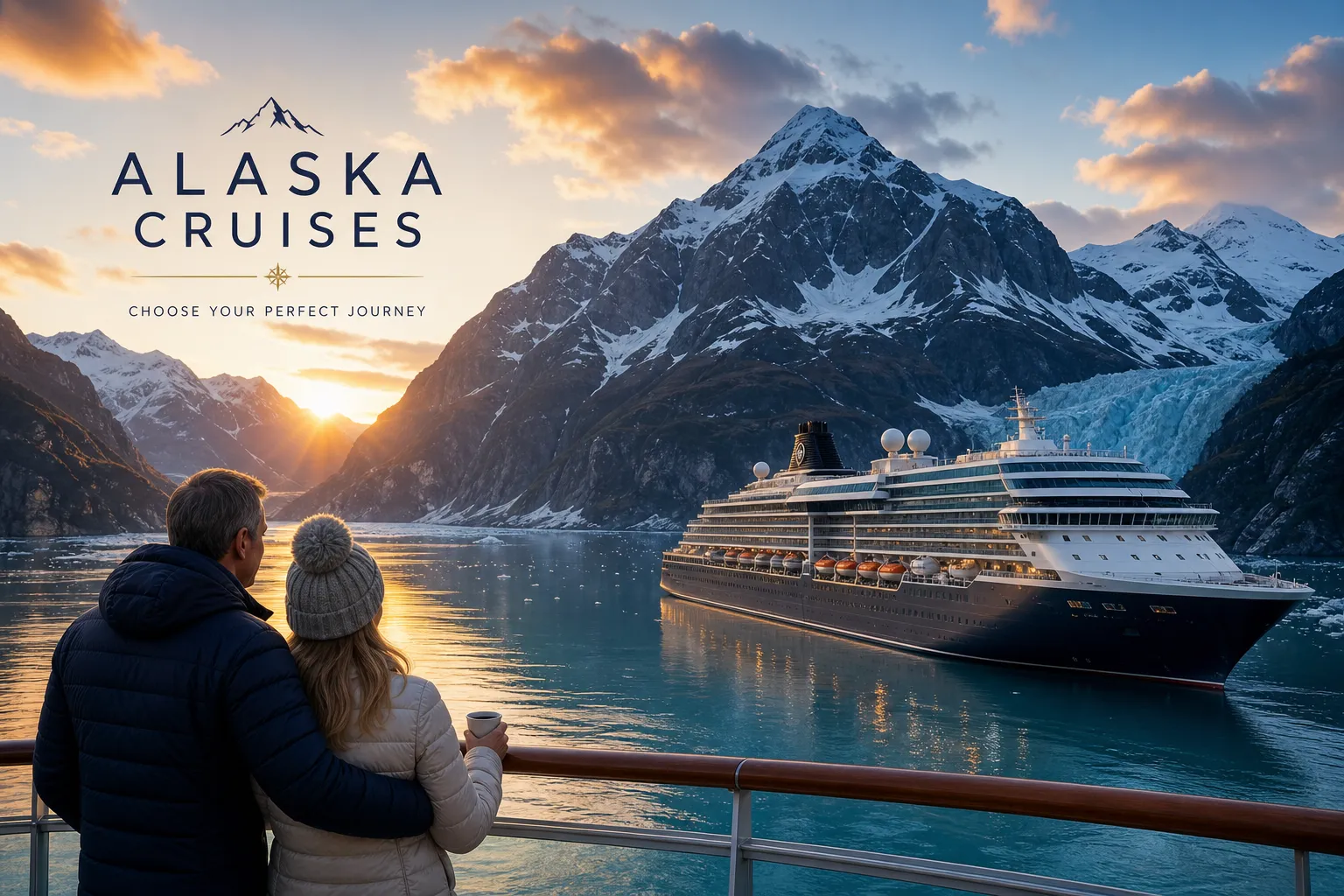
Sea-day-heavy routes change that calculus entirely. On transatlantic crossings, Alaska sailings, Norwegian fjord routes, or Antarctic expeditions, the ship is the experience for extended stretches. Dining quality, quiet lounge space, and entertainment depth become critical selection criteria. On Alaska and fjord itineraries specifically, a balcony shifts from a luxury to a genuinely practical feature; you'll use it to watch glaciers calve and mountains pass without leaving your cabin.
Ship size also determines which ports you can actually reach. Mega-ships dock at the largest commercial terminals. Smaller historic towns, UNESCO-listed harbors, and private islands often require a smaller vessel or a Zodiac landing. When a ship anchors offshore and ferries passengers ashore by tender, the process is slower, weather-dependent, and can limit access for travelers with mobility considerations. Before committing to any sailing, confirm whether the ship docks or tenders at each port that matters most to you.
How to pick a cruise ship cabin: which type is worth the upgrade?
The cabin ladder runs inside, oceanview, balcony, and suite. Each step up buys something specific, and the right choice depends almost entirely on your itinerary type and how much time you actually spend in the room.
Inside cabins have no natural light. That's the complete trade-off: same access to every ship facility at the lowest price point. For short sailings or travelers who treat the cabin as a sleeping space, it's often the right financial decision. An oceanview cabin adds a fixed window or porthole for daylight and a view, but no fresh air or usable outdoor space. It's a modest step up from inside in both cost and experience.
A balcony cabin typically costs 25 to 50% more than a comparable inside cabin, according to Premier Travelers, and delivers a private veranda with outdoor seating. The value scales directly with itinerary scenery. On Alaska, fjord, or expedition routes, it's worth the premium. On a port-heavy warm-weather cruise, the veranda may be pleasant at sunrise but practically unused during the day. Suites can run two to five times balcony pricing on many lines and deliver more interior living space, butler or concierge service, priority embarkation, and exclusive lounge or dining access. On many premium and luxury lines, a suite represents a different service tier rather than simply a larger room.

Cabin location matters nearly as much as category. Midship and lower-deck cabins experience less motion, which matters for travelers prone to seasickness. Proximity to high-noise areas, including theaters, pools, engine rooms, or 24-hour buffets, affects sleep quality more than most first-timers anticipate. Choose your deck and position intentionally, not just your cabin category.
How do you decode what a cruise fare actually includes?
The advertised fare and the real cost of a cruise are rarely the same number. On mainstream lines, the base fare covers the cabin, main dining room, buffet, standard entertainment, pools, and basic beverages. Almost everything else is extra, and the additions compound quickly.
On a typical seven-night mainstream sailing, gratuities run roughly $112 to $175 per person for the week, according to MediterraneanCruise.org. Wi-Fi costs roughly $15 to $30 per day per device, according to CruiseShipTracking.com. A useful planning rule for mainstream fares is to add $400 to $1,000 per person on top of whatever seven-night base fare you see advertised, according to CruiseShipTracking.com; a full drink package combined with several excursions can push the total well above that range.
| Item | Mainstream lines | Premium lines | Ultra-luxury lines |
|---|---|---|---|
| Main dining and buffet | Included | Included, more refined | Included, multiple venues |
| Alcohol and beverages | Extra | Often bundled in packages | Typically included |
| Gratuities | Extra | Often bundled in packages | Typically included |
| Wi-Fi | Extra | Often bundled in packages | Typically included |
Premium lines charge a higher daily rate but more frequently bundle gratuities, Wi-Fi, and sometimes beverages. Ultra-luxury lines including Silversea, Regent, and Seabourn build all of these into a higher upfront price. When you strip the add-ons out of mainstream pricing and add them back into luxury fares, the per-day cost gap between the two tiers narrows more than the headline numbers suggest. (Here's what luxury fares really include.)
The cleanest way to compare two fares is to confirm whether each includes gratuities, beverages, Wi-Fi, specialty dining, and at least one excursion per port before you run the numbers. Those five items determine whether a cheaper fare is actually cheaper.
What's the fastest way to build your final shortlist?
You now have the five filters: ship size, onboard atmosphere, itinerary style, cabin category, and fare structure. The goal isn't to find one perfect answer; it's to arrive at two to four concrete ship or line options you can compare on actual fare terms.
Azura Voyages built a 2-minute Cruise Matching Quiz for exactly this step. Rather than cross-referencing size charts, fare tables, and cruise line reviews across a dozen sites, you answer nine quick questions about your travel style, must-haves, budget, and where and when you want to sail, and receive your top 3 voyage matches across ocean and river cruising. It translates the five-filter framework above into a concrete starting point in about two minutes.
Once you have your shortlist, ask three questions about each option:
- Does this ship dock rather than tender at the ports that matter most to me?
- Are the two fares I'm comparing built on the same inclusions, or am I weighing a base fare against a bundled one?
- Does the ship's passenger-to-crew ratio and overall size match the service level and atmosphere I actually want?
When you can answer all three questions confidently, you're ready to book rather than guess. If you want those questions answered by someone who already knows the ships personally, book a consultation with Shamain. A single conversation covers all five filters, narrows your options to the right shortlist, and handles suite selection, pre- and post-cruise hotels, and shore excursions from there forward.
The right ship is closer than it looks
The five-filter framework, size, atmosphere, itinerary, cabin, and fare inclusions, exists for one reason: many first-timers choose the wrong ship because they start with price or destination rather than defining the experience they actually want. Reversing that order is what this guide equips you to do.
Your shortlist of two to four ships or lines is the starting point for fare comparison, not the end of the process. Use it to run the numbers with identical inclusion assumptions across your options, then choose based on real cost and fit rather than an advertised headline figure.
Now you know how to pick a cruise ship: apply the five filters, build your shortlist of two to four options, and compare fares on identical inclusion terms before you book. Take the Cruise Matching Quiz to get your personalized shortlist in about two minutes, or book a consultation that walks through every one of these five filters with you directly.
Frequently asked questions
Can solo travelers avoid paying a single supplement on a cruise ship?
Yes, some ships offer cabin types and spaces that reduce or eliminate single supplements. Norwegian's studio cabins and dedicated solo lounges are cited examples, though you should verify availability and pricing for each specific sailing.
How do we decide whether we're cruising for the ship or for the destinations?
Decide whether you want the onboard experience or the ports first, because that choice shapes every other decision. If you're cruising for destinations, prioritize smaller ships and port access; if you're cruising for the ship, prioritize larger vessels with more onboard amenities and entertainment.
Is a balcony cabin worth the upgrade for a Caribbean island-hopping cruise?
Usually not, because on port-heavy Caribbean itineraries a balcony may go largely unused during daytime port calls. The balcony premium is more justified on sea-day-heavy routes like Alaska, fjords, or expeditions where scenery and time aboard matter.
What's the cleanest way to compare two fares so we know which is actually cheaper?
Confirm whether each fare includes gratuities, beverages, Wi-Fi, specialty dining, and at least one excursion per port before you run the numbers. Those five inclusions determine whether a cheaper advertised fare remains cheaper once you add typical extras.
How does ship size affect which ports the ship can visit and the tendering experience?
Ship size determines port access: mega-ships dock at the largest commercial terminals, while smaller ships can reach historic harbors and private islands that larger ships cannot. When a ship must anchor and tender passengers ashore, the process is slower, weather-dependent, and can limit access for travelers with mobility considerations.
Choosing the right ship and itinerary can feel overwhelming and time-consuming. We make it easy with our free quiz, which gives you your top 3 cruise matches with remarkable accuracy. Try it now. It’s free.
Rather talk it through?
Book a no-obligation consultation with Shamain. One conversation, and you'll know exactly which ship, suite and sailing fit you.